Unlike last year where I was only able to catch three of the five nominated films for Best Documentary Feature, I have managed to watch the whole lineup, and then some. It was worth it, too, because this was one of the best group of nominees in the category in years.
The 2025 collection covers a wide range of topics, all with unique styles and effective approaches. Below, I share my thoughts on all five. Additionally, I’m including my take on two shortlisted pictures detailing significant topics.
The Alabama Solution
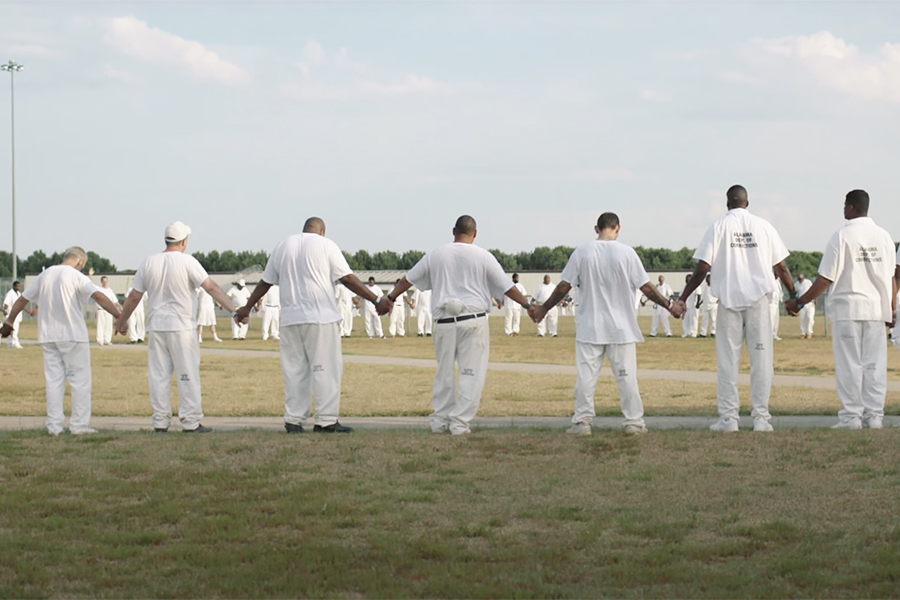
In “The Alabama Solution,” filmmakers Andrew Jarecki and Charlotte Kaufman take viewers inside the state’s prison system. In particular, it explores the conditions of Alabama’s Easterling Correctional Facility. The movie utilizes both interviews and external footage, as well as points of view from within the prison provided by inmates via contraband cell phones.
The documentary offers perspective into the harsh, and at times, deadly, treatment inmates have received while being in the Alabama system. This is especially shown with the death of a man who died from injuries related to a beating by guards. The audience also gets a sense of how the state government pushed back against efforts to investigate these conditions and reform the system.
Cinematically, “The Alabama Solution” is fairly straightforward in its activist filmmaking approach. It covers a major problem and does so thoroughly. That’s fair, but at the same time it can seem a bit drawn out. There’s a sense it could have been a tighter, more direct documentary with a shorter runtime, and greater impact.
But for getting the vantage point of the inmates who are simply asking to be treated in a humane way, and the state government blocking those attempts, “The Alabama Solution” deserves some praise. Some creative decisions, music choices for example, or a constant sharing of the “other side” via a right wing radio station, are questionable, but it has plenty of merit.
Come See Me in the Good Light
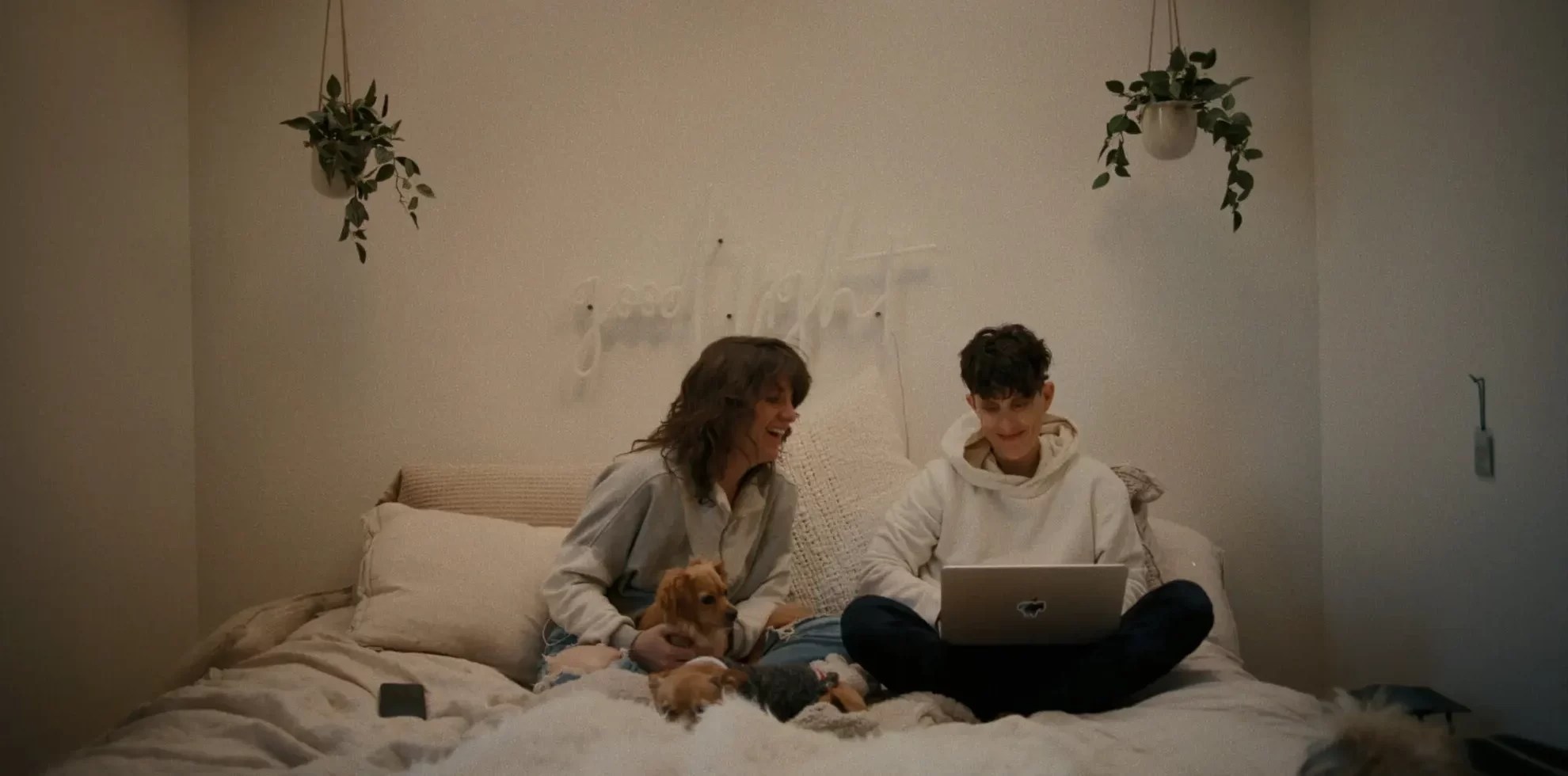
Centering on the life of the late poet Andrea Gibson, director Ryan White’s documentary “Come See Me in the Good Light” is a beautiful portrait of what it means to be human when facing mortality. The picture has a very slice of life feel, following Gibson and her wife, Megan Falley, as they try to live in a sort of normalcy while the former battles terminal cancer.
As it explores how their relationship and careers are impacted by Gibson’s illness, it also digs into the poet’s past, and the impact art has had on her life. It’s touching, and one can appreciate that this is a film about the human condition shown through Gibson’s perspective, rather than just serving as a career recap for a person who was terminally sick.
It’s not quite the most technically marvelous of the other nominees in this category. But in reality, it doesn’t need to be. This is a people-centric documentary, and it successfully makes it about the people. Could it have been maybe trimmed a bit down? Maybe a tad, considering it doesn’t have as much of a sweeping narrative.
However, the full hour and 45 minutes are definitely worth checking out, especially just to spend time learning about the lives of artists who inspire us.
Cutting Through Rocks
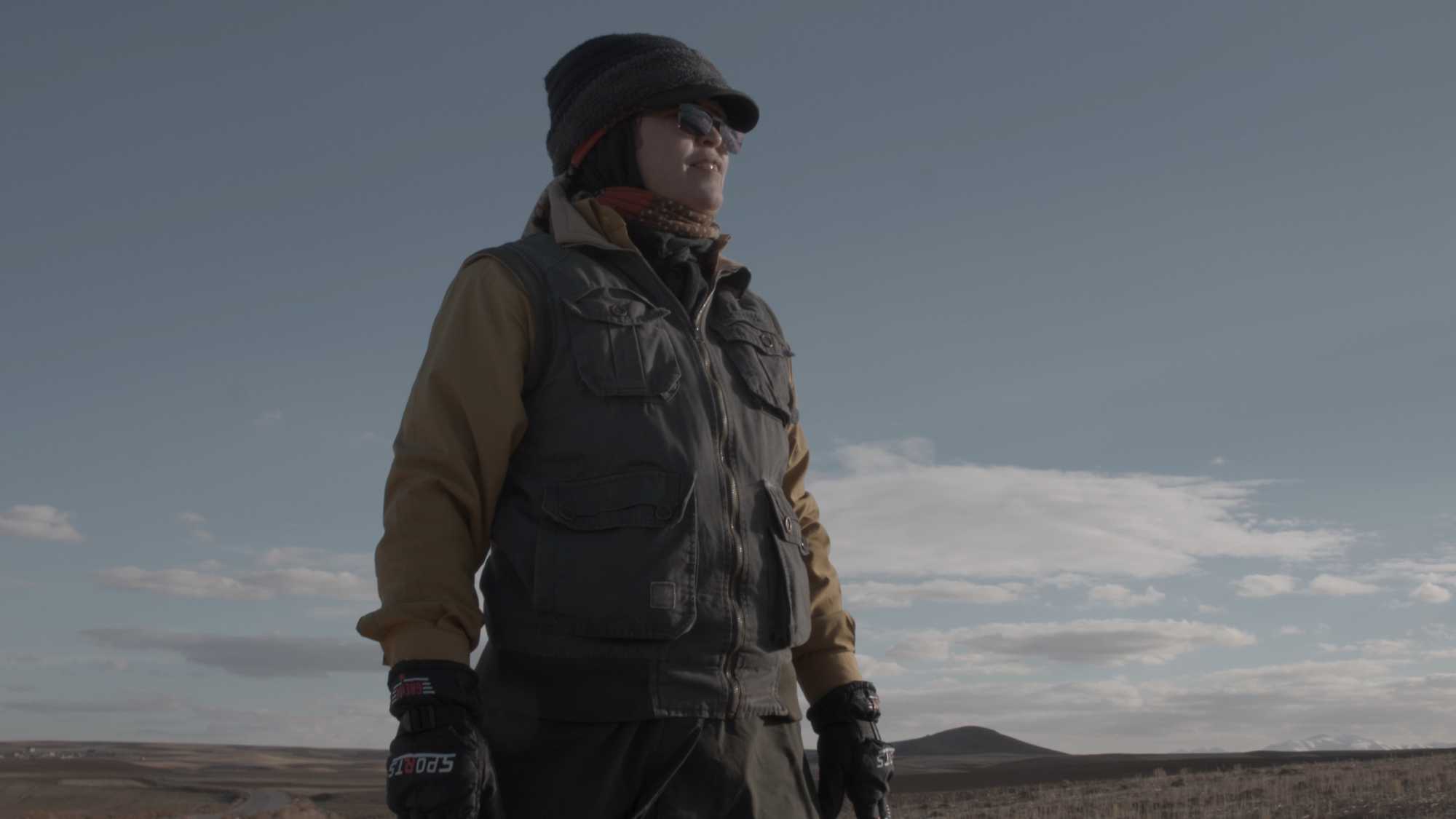
Directed by Mohammadreza Eyni and Sara Khaki, “Cutting Through Rocks” is the story of a politician up against a difficult system. Sara Shahverdi, in a landslide win, became the first elected councilwoman of her small village in Iran. She promised to do quite a lot for the community, from getting girls into classrooms to providing fuel to more homes.
The film shows how she attempts to get these things done, and the numerous roadblocks put in her way. That includes from her own family. It’s an interesting documentary about a strong woman with a gargantuan amount of will and conviction to serve her constituents. It’s a moving, and upsetting film knowing how she is constantly being pushed back from progress.
The real issue is the film ends up making a person want more. Whether that be more moments showing what the decision process is like in the council meetings, to more of an outside approach by the filmmakers to show exactly where the village is in the country, how it compares in socioeconomic conditions to other cities, and what the political landscape is overall for women in Iran.
Shedding some light on these kinds of issues for viewers who are learning about this subject would be beneficial in terms of general context and in relation to the work Shahverdi is doing. Still, her journey that is documented here is worth a watch overall. Recommended.
Mr. Nobody Against Putin
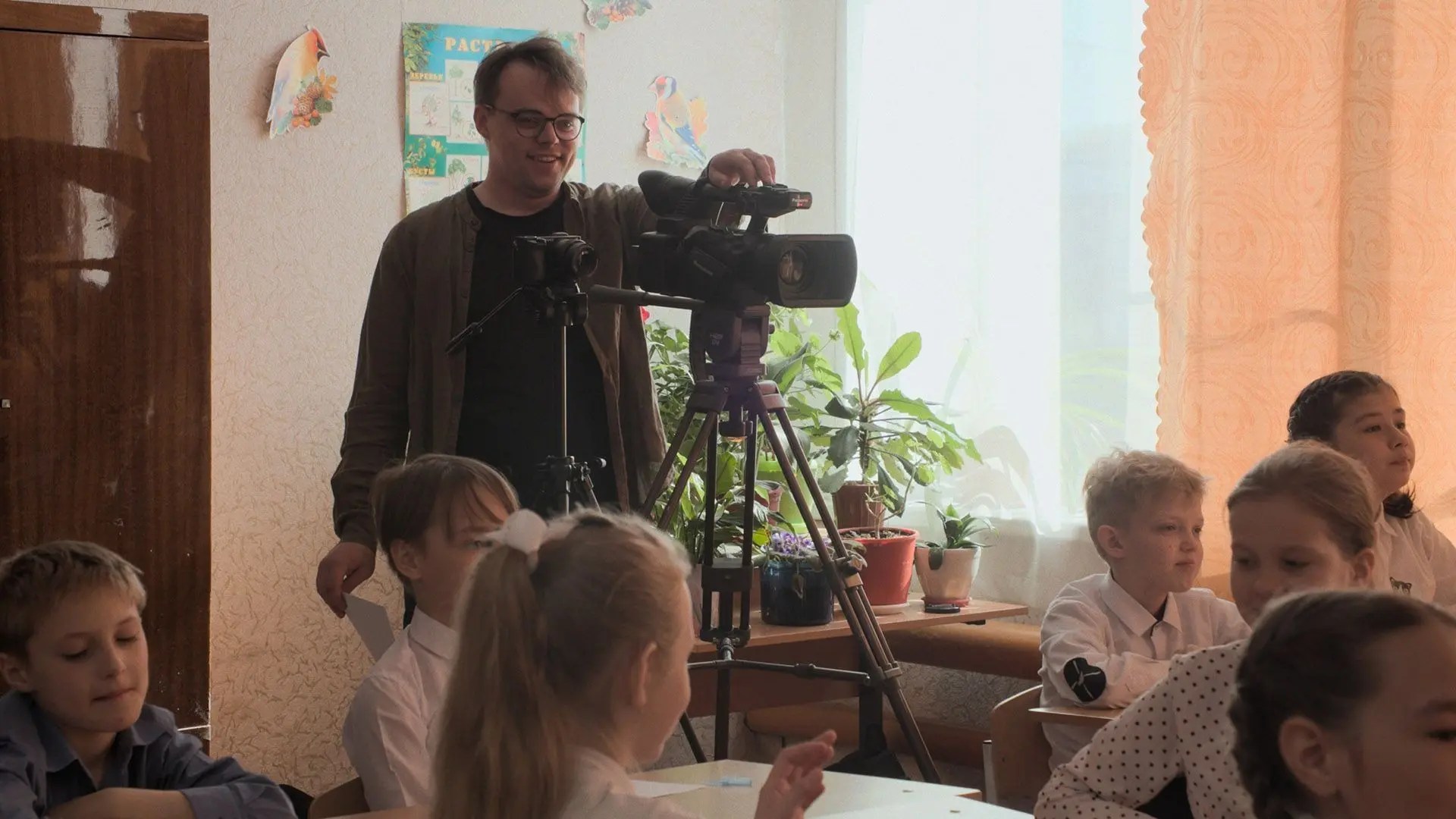
“Mr. Nobody Against Putin” is a film showing the lived experience in Russia during the first year of the Russo-Ukrainian War from the perspective of a teacher. Pavel Talankin is an educator, events coordinator and videographer for a primary school in a Russian mining town, and he is a major opponent of the invasion.
That’s not a sentiment shared by many others, though, with many either openly supporting the war, egged on by state leadership who demand more patriotic lessons, or those who choose to just keep their heads down and mouths shut on the matter. Talankin documents these happenings, showing the impact of propaganda and how authoritarians influence the youth.
It’s an interesting look behind the scenes, albeit a less than polished one. Talankin is doing something brave here, and I understand this war makes filming a sort of ‘take what you can get’ situation, but a person can see the amateur filmmaking taking place here, even with director David Borenstein coming on board to complete the film.
It also has to be noted that there are a few times Talankin makes himself sort of the subject, which don’t work in the film’s favor. However, one still has to keep the idea of the pressure he was under when making this, so a lot of that can be forgiven. For the absolutely unique look behind what’s basically a new iron curtain, this one’s worth a watch. Recommended.
The Perfect Neighbor
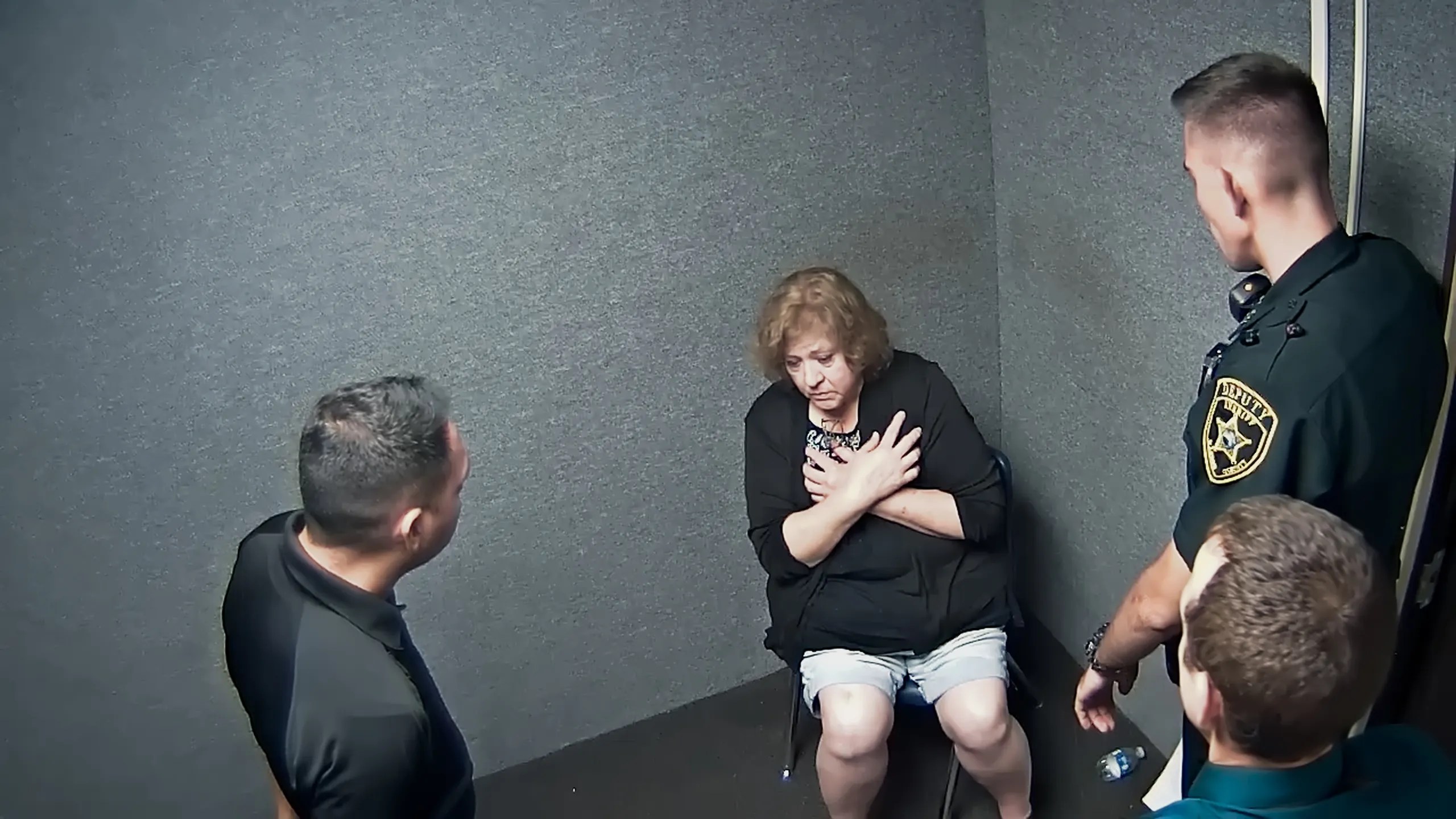
My favorite of the documentary lineup this year, “The Perfect Neighbor” is a film detailing a shooting incident, where Susan Louise Lorincz, a white woman, killed her black neighbor Ajike Owens. The movie is made entirely from collected footage, mostly police body cameras.
Directed by Geeta Gandbhir and edited by Viridiana Lieberman, it shows the buildup in tensions, with Lorincz often calling police for unnecessary reasons, such as the neighborhood kids making too much noise playing in the street during summer time. The film also incorporates how the killing, which took place in Florida, was tied to the state’s Stand Your Ground law.
It’s a film that feels absolutely raw, somewhat reminiscent of the 2023 Oscar-nominated short documentary “Incident,” which was about the 2018 shooting of a black man by police. In the case of “Neighbor,” there is certainly filmmaking at play, with music used in scenes and the story unfolding with a three-act structure.
However, at its core, the movie lets the real, authentic footage tell the story from beginning to end. In doing so, we get a sense of ongoing issues of racism right in neighborhoods across America, the matter of gun violence in relations to Florida laws, which also led to the death of Trayvon Martin, and the limits in how police can respond to these tense situations.
It’s a harrowing watch, as it also touches on the very human elements of this horrible killing, too. Recommended.
Bonus Coverage – Shortlisted Picks
2000 Meters to Andrivka
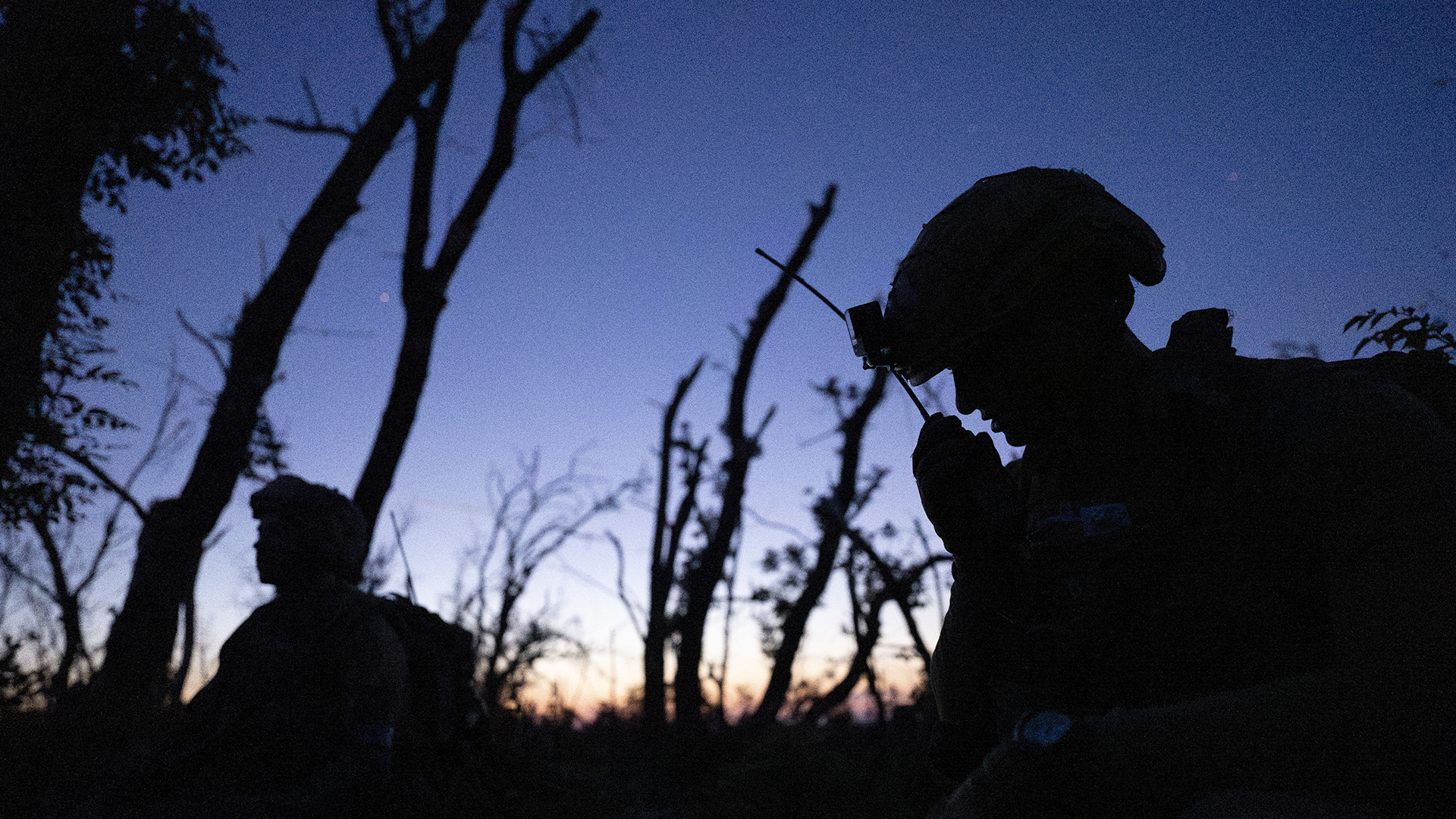
Another documentary covering the ongoing invasion of Ukraine, this picture from PBS’ Frontline, directed by Mstyslav Chernov, takes audiences to the literal front line. The movie focuses on Ukraine’s 2023 counteroffensive operations, following a platoon fighting into territory to liberate the town of Andiivka.
It’s certainly an intense watch, as much of the footage contained is either shot by the photojournalist attached to the unit, or captured by cameras actually worn by the soldiers themselves. In that sense, a viewer gets a clear view of what life is like on the battlefield in this conflict.
However, some of the added elements offered start to feel more like a detraction, mainly in terms of the narration. It begins to just kind of reiterate what’s already being shown in conflict or by moments of news coverage to lend context. It also has to be stated that while some sequences of battle show the true horror of war, others feel unnecessary to capture.
Simply put, there are scenes of shooting into the distance with Ukrainian curse words, and there’s not much value gained in understanding of this war. With that said, there are still several important moments, and it serves as an important look into this conflict’s horrible toll. I’m fine with it not being nominated, but still recommend checking it out.
Cover-Up
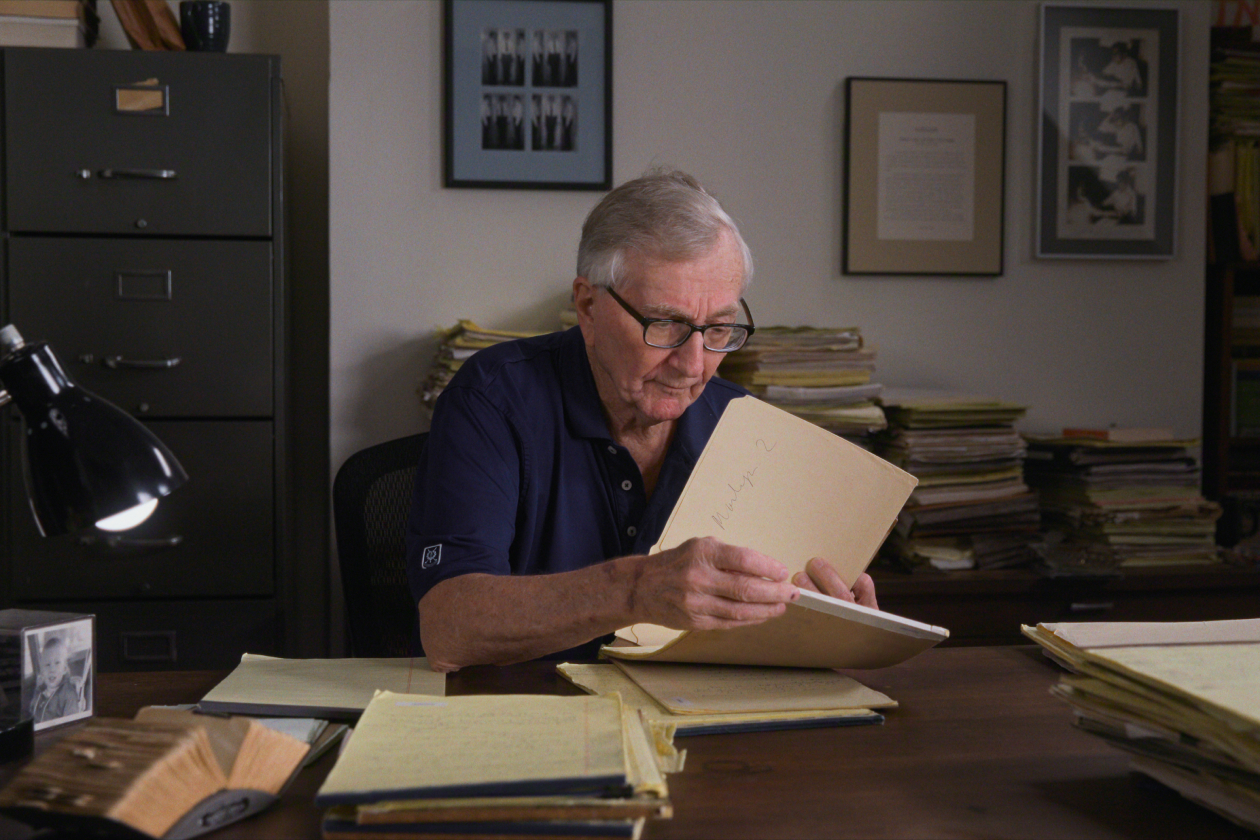
As a someone who went to J-school before becoming a reporter for the last 14 years, I will admit some bias when it comes to appreciating “Cover-Up.” This documentary from directors Laura Poitras and Mark Obenhaus, released on Netflix, covers the career of journalist Seymour Hersh, who notably covered two major American military scandals in a pair of wars.
In 1969, he reported on the Vietnam My Lai massacre, which took place in 1968. Then, in 2004, he covered the Abu Ghraib prison abuse and torture during the Iraq War. Much of these stories, as well as other action by the United States such as the bombing of Cambodia and the CIA’s domestic spying, is covered here through a modern interview with Hersh.
The film has two things going for it. The first is Hersh himself. He’s still sharp and retains his commitment to truth telling. It’s interesting watching this come through, while at the same time having some conflictions over talking about these subjects, both from their heaviness and to protect contacts.
The other is the persistence of awful acts by the U.S. military and intelligence apparatus that spanned decades and continues today (see the new Iran War). However, at the same time, there’s a feeling that the film is trying to do too much. It digs into some of the things Hersh has covered, but only is able to scratch the surface because it’s supposed to be a documentary about him.
It’s sort of a tough catch-22 the flick is caught in. The work he did demands a closer look, which we don’t get, and it’s understandable because the movie is about his life. But his life is his work really. It simply leaves a person wanting more, and perhaps this would have worked as a multi-episode documentary series, which Netflix has done before.
With that said, though, the movie still delivers an intriguing look at the type of mind capable of digging into what needs to be uncovered, and just how important it is to bring these matters to light. The NBA has a Sixth Man of the Year Award. Well, this one gets my Sixth Documentary of the Year award. Recommended.

 Matthew Liedke on Film
One thought on “2026 Oscar Docs: A look at the nominees”