
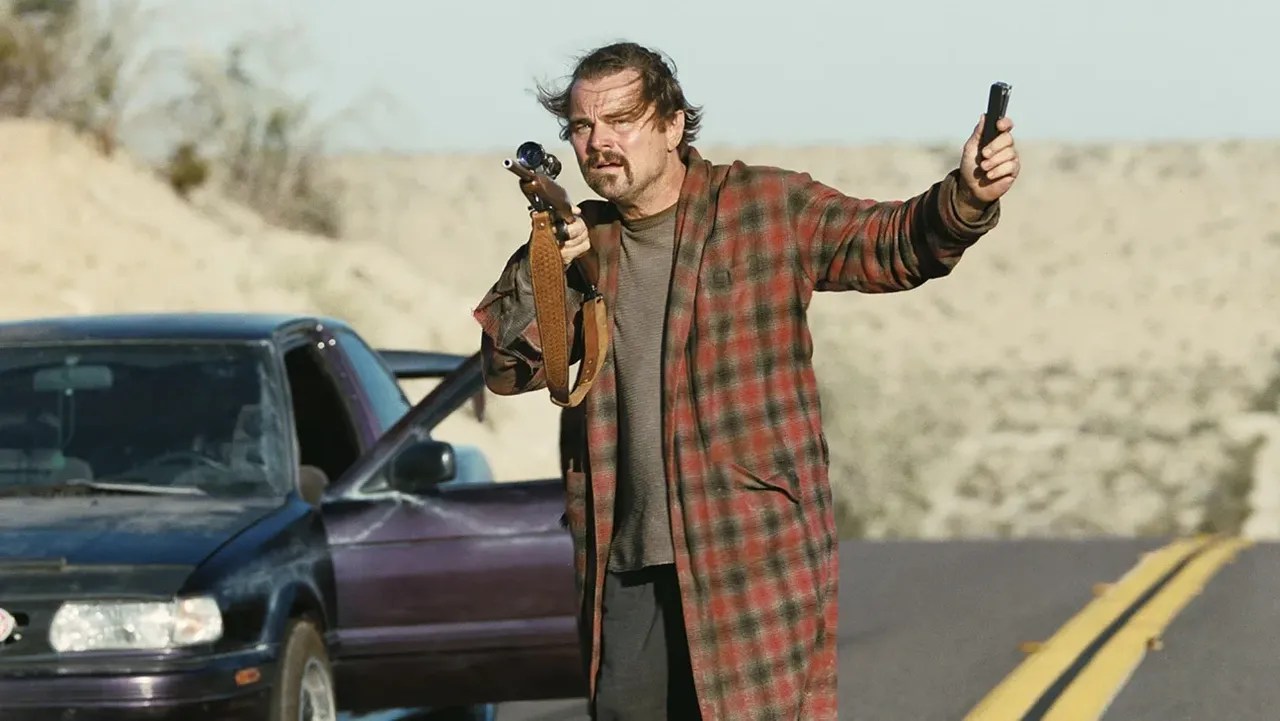
If Leonardo DiCaprio’s characters in “The Wolf of Wall Street,” “The Revenant” and maybe “Don’t Look Up” fused together, they might look something like the guy he is in this movie.
Unfortunately, that’s not a good thing.
In this film, DiCaprio portrays Pat Calhoun, who’s also known as Bob Ferguson. Pat is the member of a left wing revolutionary group known as the French 75, whose efforts range from immigration camp liberations to acts of terrorism. In his company is his girlfriend, Perfidia (Teyana Taylor).
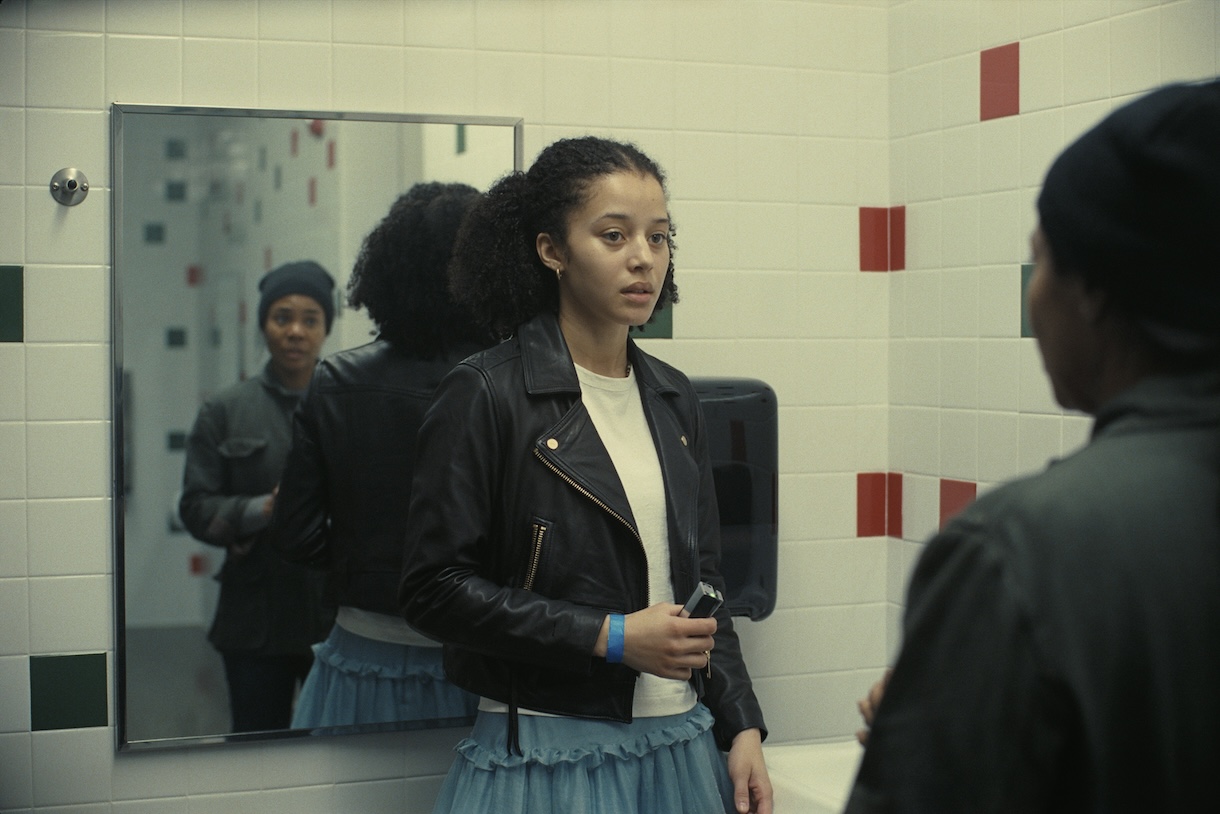
The two eventually have a daughter together, and not willing to be a mother, Perfidia leaves her child and boyfriend. The movie then picks up with the characters again in the present, with the daughter, Willa (Chase Infiniti), now a teenager. Life has mostly settled for Pat and Willa, the former’s revolutionary days behind him. Unfortunately, a past enemy eventually comes knocking.
Paul Thomas Anderson doesn’t just know how to make a movie. He knows how to make a good movie. His last film, “Licorice Pizza,” made my 2021 Top 10 List, while his 2017 feature “Phantom Thread” was named an honorable mention that year. His technical prowess is in on display here, too.
Sadly, that doesn’t mean the movie as a whole is good. In fact, it was quite the let down across the board. The film runs into trouble right from the start. We’re introduced to this French 75 group in the midst of taking extreme action. As the audience, we’re meant to sympathize with them and see what they’re doing as something righteous.
That’s not impossible to do. The 2023 film “How To Blow Up a Pipeline” managed to do this by following a group of individuals teaming up to disrupt the oil industry with an explosive.
In that film, the reasons for each character’s motivation varied. However, they were all driven by something bigger than themselves, whether it be climate change, the use of eminent domain to take private property, or the violations of Native American treaty rights.
We don’t see that from the group in this movie. In their escapades, whether it’s breaking into an immigrant detention center, destroying a city’s electrical grid or committing a bank robbery, we don’t see their desperation. Their sense of being pushed too far that they had to go beyond petitions and the ballot box to enact change.
Instead, in many of the scenes, the incentive for many of the characters seems internal. The main two characters, Pat and Perfidia, seem to be fighting in this “revolution” to spice up their relationship, like their acts serve as a sexual stimulant. The other members involved, meanwhile, come across more like thrill seekers than those in search of justice and a better world.
This immediately undercuts the film and doesn’t help a viewer really invest in the plight of the lead characters. But the issues don’t there. The fact is, for all the revolutionary talk and the way this movie wants to make a point on social issues, it feels largely toothless. For example, the political issue garnering the most attention in the flick is immigration.
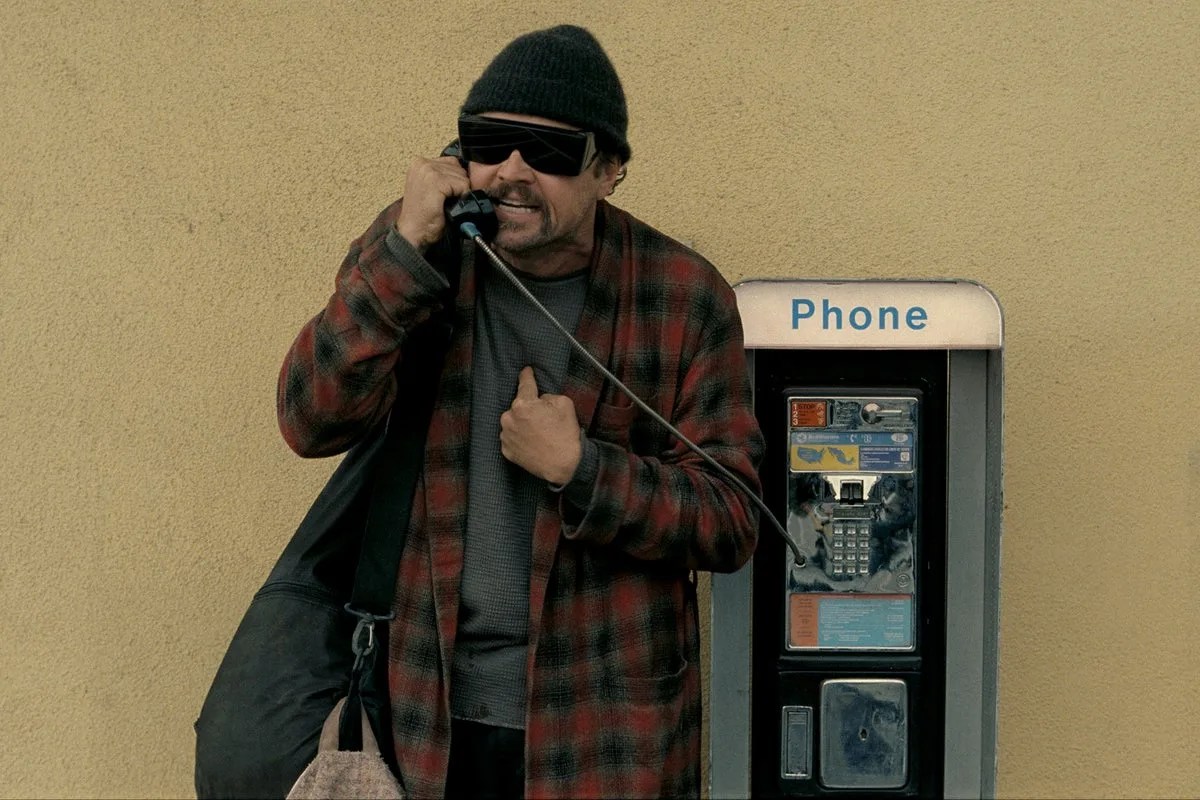
Yet the movie doesn’t really have much more to say on the matter than “the current immigration policies are bad.” I mean, yeah? Anything else? The film doesn’t dig particularly deep on the subject. That’s not really a surprise since none of the main characters are from Central or South America, or Latin themselves for that matter.
The one character who is, Benicio del Toro’s Sergio, is just a glorified side figure. Sergio’s effort actually is meaningful in the movie, as the character works to protect people during a deportation raid in the second act. But that whole sequence is set up more as an action obstacle for the protagonist to get through, rather than a focal point of human suffering.
The film’s poor political text doesn’t end there, either. There’s another sub-plot at play in the movie regarding the antagonist trying to join a secret, white supremacist society that holds great control over the country. This is another factor that works against the picture. The whole idea an illuminati type group is not only outdated, it also hurts the point.
There is systemic racism, as well as a clear favorability toward the wealthy and elite in America’s institutions. With the secret group in this picture, it feels like the culpability of problematic elements in the country are being pushed on this club, rather than the nation’s actual establishments.
It doesn’t help that many of the scenes revolving around this group are played for laughs, and the attempts at comedy feel like low-hanging fruit. However, at the very least, that doesn’t extend to all of the comedic moments. There is some amusement here and there, one highlight being a phone call involving DiCaprio’s character.
That does not extend to Sean Penn’s horrendous character, Col. Steven Lockjaw, though. Whether it was Penn’s acting, Anderson’s direction and writing, or both, this character is just so cartoonish throughout. The point is obvious, to make the military man look pathetic in various ways.
The problem is, it’s done to such a degree that it becomes something more akin to what you’d see in a “Family Guy” episode, rather than a Paul Thomas Anderson picture. On top of being unfunny, any scene where he’s meant to be doing something malicious or dastardly has zero suspense because he’s so unserious.
You know what is funny? The fact that this review hasn’t even touched on one of the premiere issues of “One Battle After Another.” This is really supposed to be a family drama at the end of the day. It’s about a father and a daughter, and that, in theory, should be the emotional core.
Yet it’s one of the most absent parts. Sure, DiCaprio’s character is fighting tooth and nail for the safety of Willa, yet the actual father and daughter relationship is so lightly explored. For a movie that closes in on three hours, one would think this aspect would have been given more time to just be. Instead, it ends up less than captivating as the hours roll by.
Plus, Willa herself is not even that fleshed out of a character. Everything about her feels put on her by her surroundings. The story of what happened with her mother, her father’s past, the antagonist’s interest in her. But she herself as a character is lacking. We as the audience don’t get to learn much about her personality, her dreams or ideals.
It’s really a shame, because as mentioned earlier, the film is well crafted. There’s plenty that goes right, from the cinematography to the editing and the sound work. Plenty of signs point to the picture being helmed by a skilled director, which PTA is. A third act car chase is a good example.
However, too much works against the movie in its most critical elements. The expertise in front of and behind the camera keep this one from being a total disaster. At the same time, its political commentary, attempts at humor and overall character work are immense negatives. 2 out of 5.

 Matthew Liedke on Film