
Most award seasons I try to see all five of the Oscar nominated documentaries. However, February turned into a busy month, and one of the movies, “No Other Land,” was only playing at a single theater and it was difficult to find a showtime to see it. It was also unavailable to stream.
That was the same case with “Porcelain War,” which wasn’t streaming and also had zero theatrical showings in the great state of Minnesota. Fortunately, I was able to at least se three of the nominees and can give my thoughts on them ahead of the ceremony.
Black Box Diaries
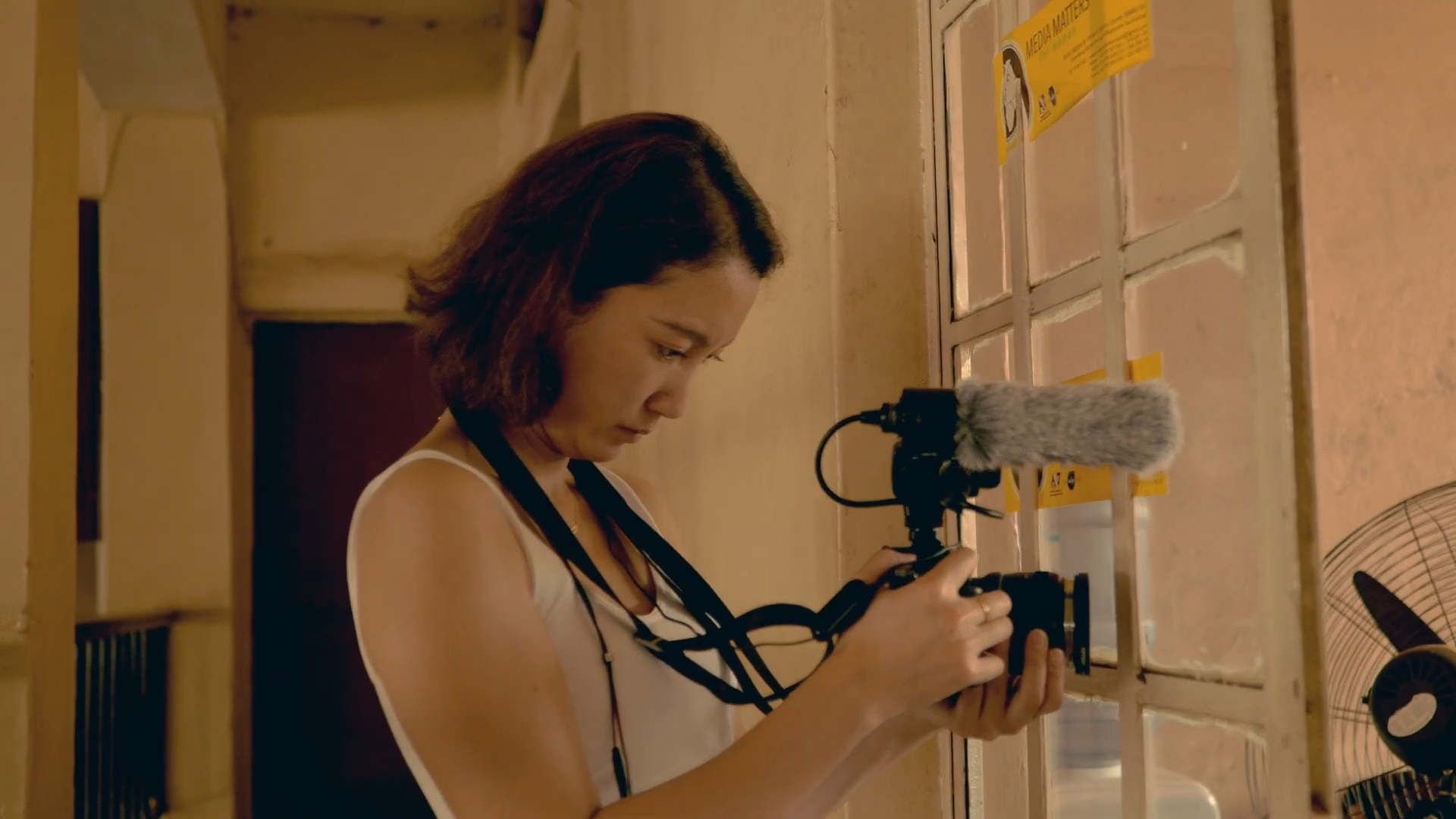
This doc centers on journalist Shiori Ito, who through writing a book and filming a documentary, captures a years-long effort digging into why her sexual assault case was dropped by investigators. The perpetrator in the situation is Noriyuki Yamaguchi, a bureau chief for the Tokyo Broadcasting System and friend of the late, former Japanese Prime Minister Shinzo Abe.
As it’s told entirely through Ito’s perspective, “Black Box Diaries” is an immensely personal and upsetting cinematic experience. A viewer can’t help but feel a great deal of sympathy for Ito and will also be angered by how law enforcement handles sexual crimes in her country.
Helping to make it a rather captivating watch is the attention to detail in compiling so many years of filming into a coherent production. The only issue is that it leaves an audience wanting a bit more.
It feels like there could have been additional material in the form of interviews with advocates, politicians and law enforcement experts who could give more information on Japan’s issues at a nation-wide level. This is also true in how the movie feels cinematically, as visually it can seem limited. Perhaps some graphics displaying statistics could have added depth.
It’s still a good, emotional experience overall and Ito is an inspiring figure, so it’s recommended.
Soundtrack to a Coup d’Etat
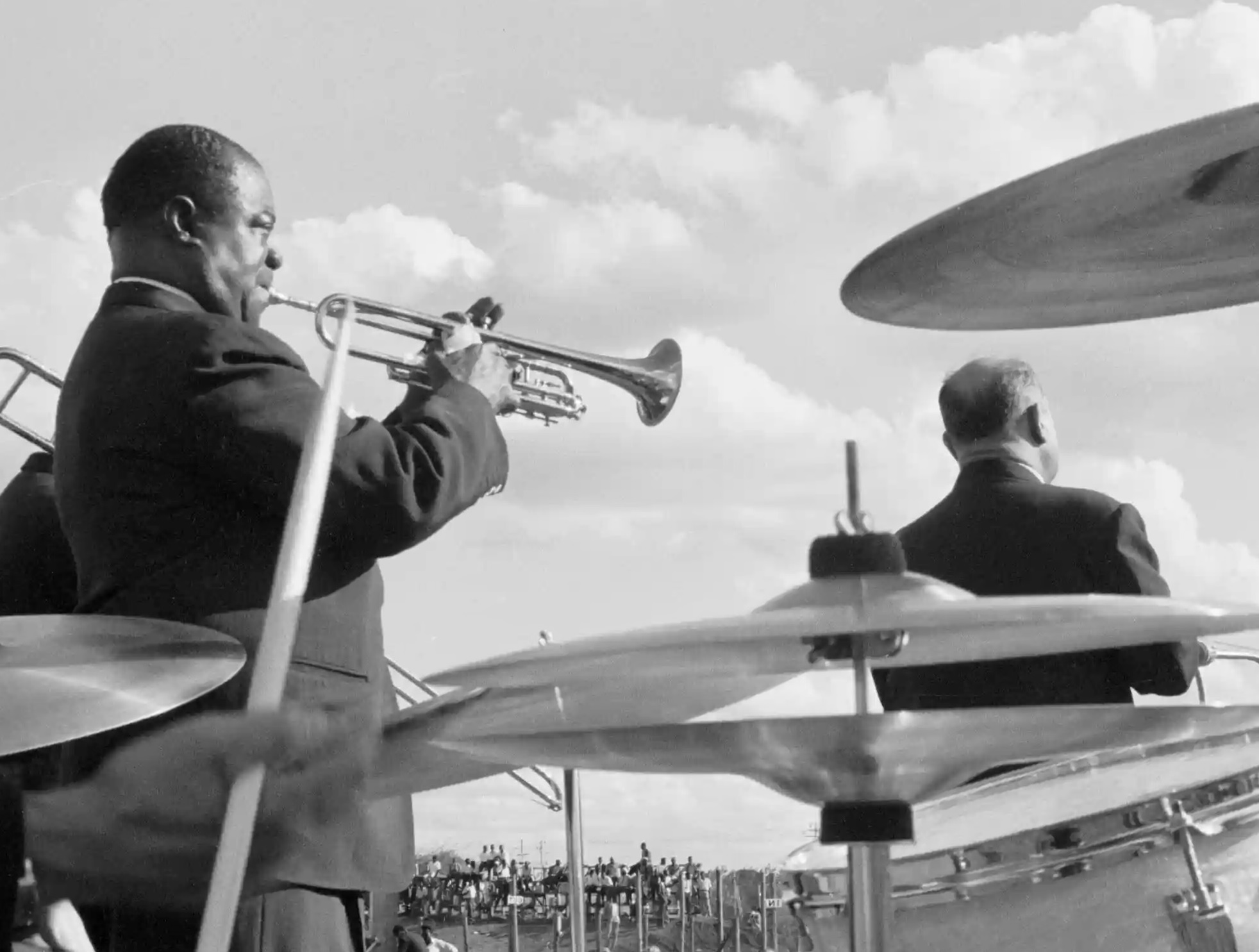
Johan Grimonprez’s film “Soundtrack to a Coup d’Etat” is a doc exploring a bloody portion of the Cold War taking place in the Congo involving the Soviet Union, the United States and Belgium. It’s is made up of an enormous amount of archival footage and is edited together with several jazz performances, as the U.S. was sending musicians to other nations as ambassadors of sort.
The Cold War proxy conflicts and government meddling is a fascinating piece of history and as this film does show, the CIA had a lot to do with it. It’s a subject people should know and is compelling to learn about.
It’s certainly a topic I’m interested in and have sought material on it to find out more, such as the book “The Devil’s Chessboard: Allen Dulles, the CIA and the Rise of America’s Secret Government.” That’s why this documentary was honestly a disappointment. It clocks in at two and half hours and it really starts to feel like a slog to get through.
The inclusion of jazz as a way to tell the story does add some style, but the film never truly makes the connection between the music and the direct conflicts of the Congo. As a result, some of it starts to feel like filler. Additionally, the film is rather loose narratively, lacking a cohesive examination of the conflict from its start to finish.
I get talking heads in documentaries can sometimes seem less cinematic or more generic, but I think some testimonies from witnesses and experts on the situation could have been beneficial for those unfamiliar, that and some data on the costs and casualties of this situation, and overall, just a better timeline of the whole thing.
The movie is still informative and one can respect, and even commend the effort involved in bringing all of this footage together and mixing it with music at the time for cultural relevancy. However, it can be a tough watch overall. Only recommended if you’re really interested in the topic.
Sugarcane
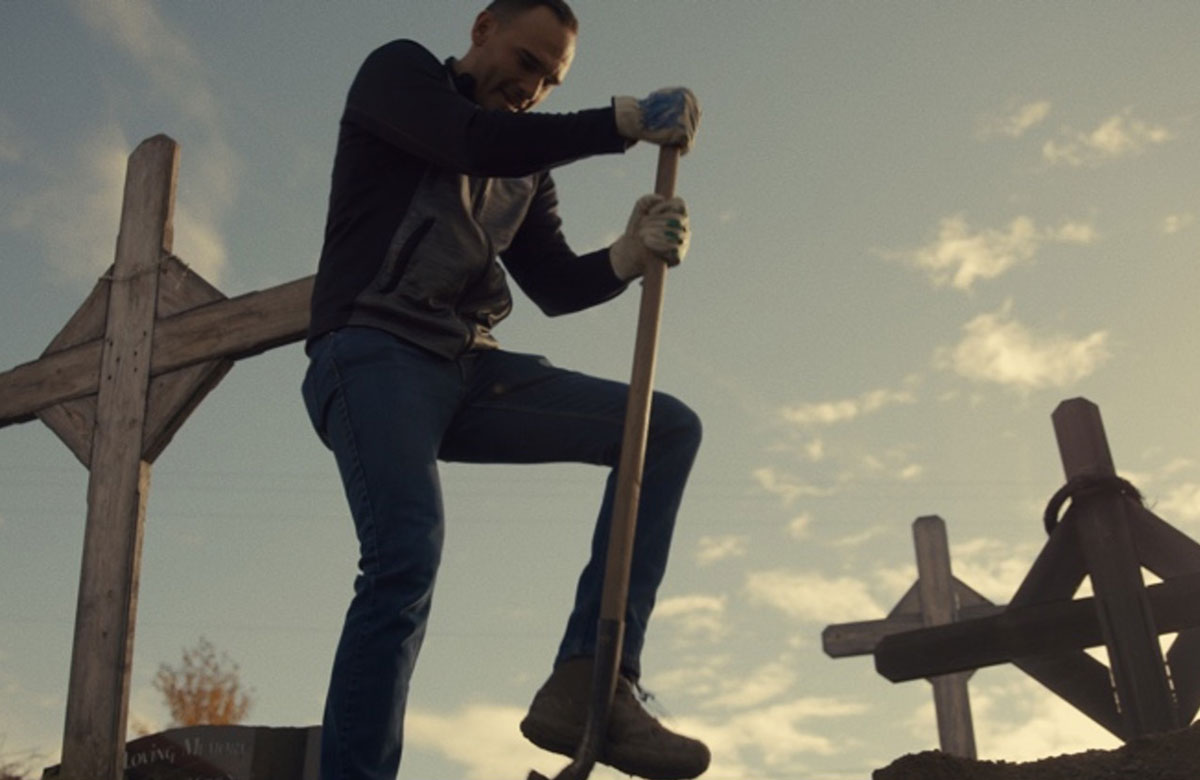
“Sugarcane” is a film about survivors of the Canadian Indian Residential School System. That system, and its American counterpart, removed Native children from their homes and cultures and while at these institutions, many experienced physical and sexual abuse.
This documentary centers on the lives of those who went through that system, and the impacts on the generations that followed at the nearby Sugarcane Reserve. Over the course of the film, the documentary shows individuals researching the history of the school and the abuse that went on there, as well as confronting religious leaders and working to find unmarked graves.
I feel kind of the same with “Sugarcane” as I did with “Black Box Diaries” in that it leaves a person wanting more. We get a sort of micro-level look at this situation, and it’s definitely moving and infuriating considering what happened. However, one wishes it had been balanced out with a more macro-level examination.
If the documentary could have included interviews with more historians, tribal leaders and politicians who represent Native reservations, along with providing a comprehensive number of statistics, it could have been more impactful. It’s still a fine documentary, and the subject matter is definitely one people should know about. It just could have been more extensive in covering the issue.
Recommended, but be prepared to do some follow-up research.

 Matthew Liedke on Film
One thought on “2025 Oscar Docs: A Look at the Nominees”