
Luca Guadagnino has helmed several well-made romantic dramas over the last few years, and now adds one more to the growing list.
Like other pictures he’s done, Guadagnino’s latest, “Queer,” is inspired by a book. The novel in this case has the same name and is a semi-autobiographical piece by American author William S. Burroughs. In the film, the author is the inspiration for the lead character William Lee (Daniel Craig).
William is a man residing in Mexico City during the 1950s and lives a life of addiction. He is an alcoholic, a heroin user and seeks casual sex regularly. It’s clear he’s looking for some sort of fulfillment in his life, and he may just find it in a new relationship he begins with another man, Eugene (Drew Starkey) early in the film.
As a character study, “Queer’ is quite effective. That’s especially true for the movie’s first two acts. Like Guadagnino’s other films, his new picture is a slow burn, allowing the characters the chance to just exist and be, making the emotional moments feel grounded and human.
The picture deeply explores the complexities of William’s character, and seeing his journey resonates. He’s a charming, confident and charismatic man who is also struggling internally, which has resulted in addictions to alcohol, heroin and sex. He’s a person who clearly wants a connection and more of a meaning in life, but it has eluded him.
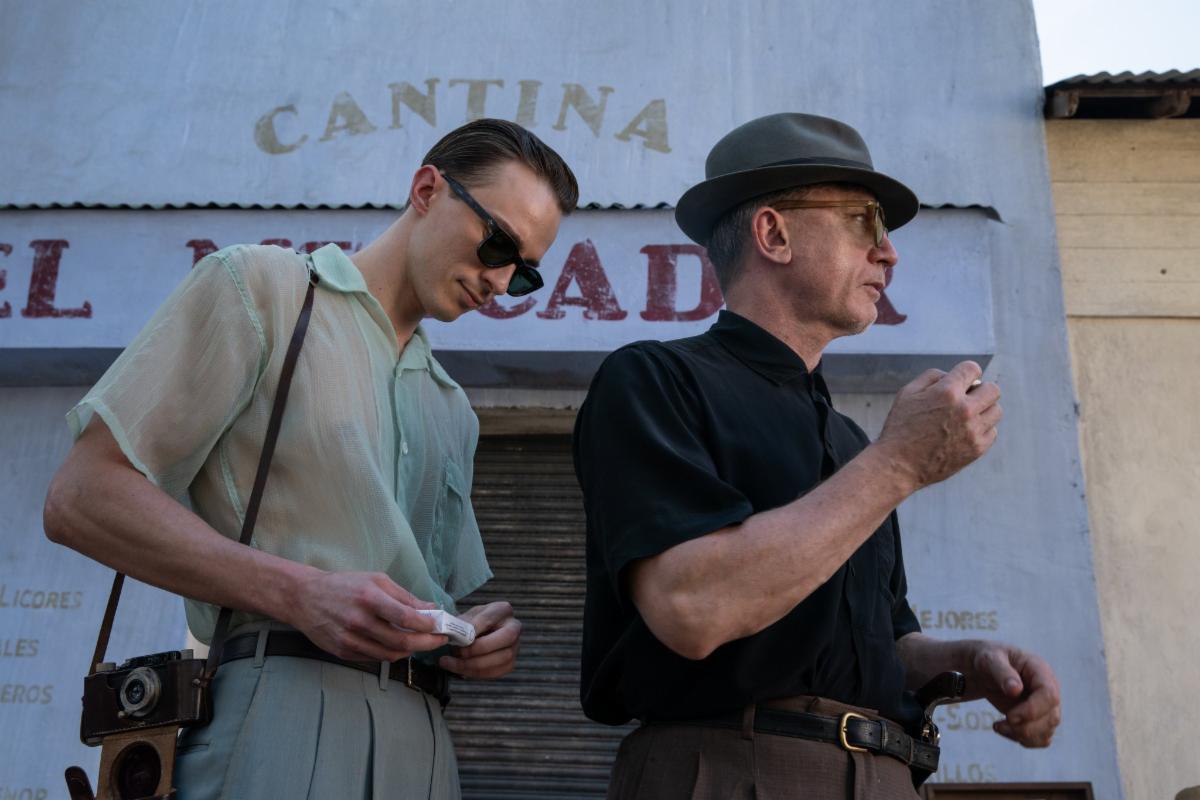
This is all regularly at play in scene after scene in the movie, and it creates a drama that while quiet, is compelling. The use of extended takes are especially integral to making each emotional moment hit. Particularly, there’s a scene where William prepares and then injects heroin that’s done with a single shot where the camera pulls back slowly expanding the frame.
It’s a powerful sequence, and one of the best scenes in cinema from 2024. From the needle-drop used to the camerawork and Craig’s facial expression, it all spot on. What doesn’t always work quite as well, though, is the main relationship at play between William and Eugene.
To the film’s credit, there are several moving moments with these two characters together. Whether it’s scenes of intimacy that fully portray the passion involved or just the two sharing each other’s company, an audience is able to get a real sense of how having a relationship and wanting to keep it impacts William as a character.
The problem is the relationship seems somewhat one-sided, in the sense that it’s hard to know how Eugene feels about the connection. He’s clearly interested in some sort of relationship with William, since he stays with him, yet the character is often very closed off and hard to read.
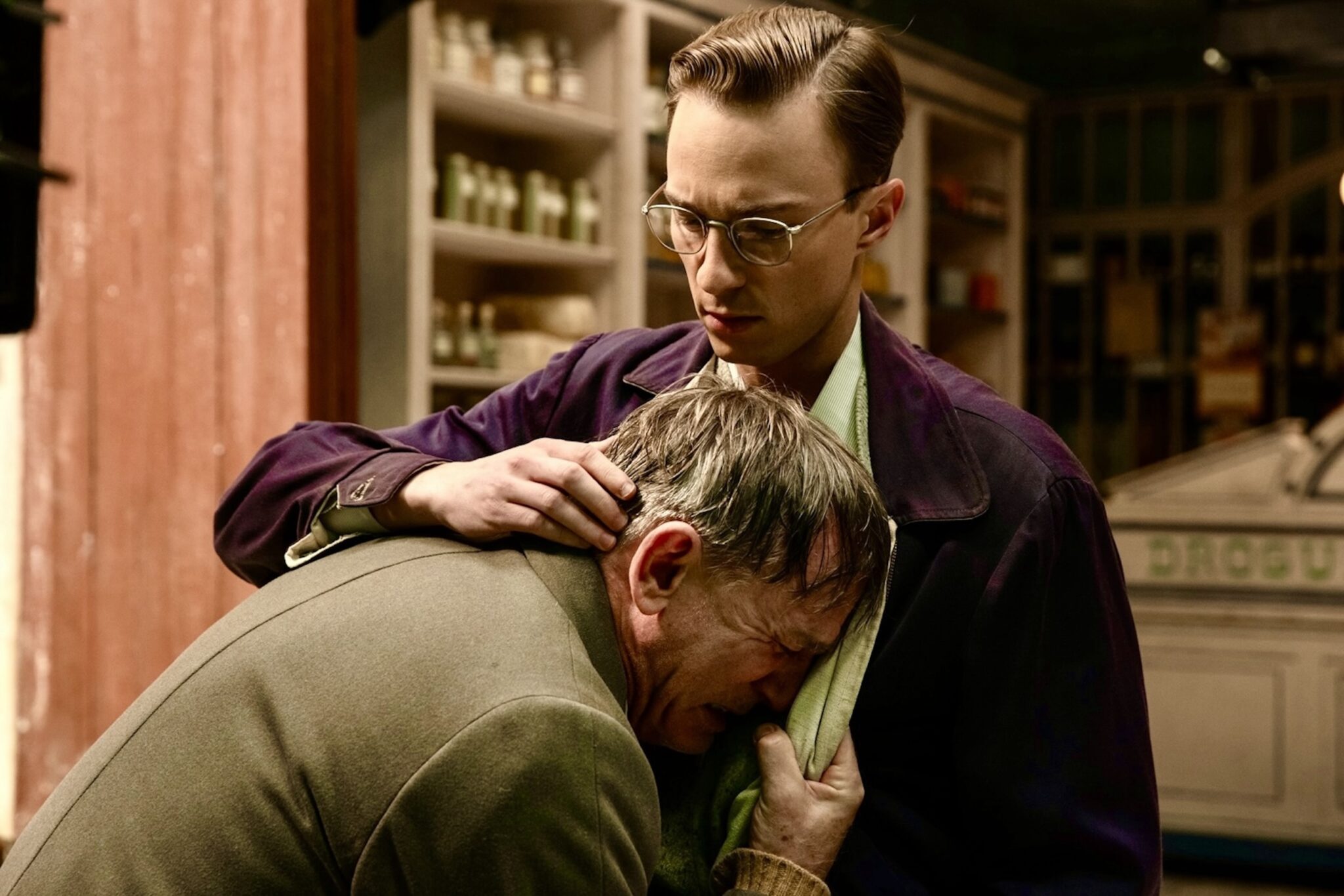
It’s understandable that this was likely deliberate, to an extent, with Eugene staying as somewhat of an enigma for William. This plays a factor in the third act, too. However, as an audience, it can be hard to fully appreciate seeing the two together because we never know the full investment level by one of the partners.
Compare this to Guadagnino’s film “Call Me By Your Name.” In that movie, there were two people entering the relationship from different angles, but it definitely centered more on the pairing’s impact on Timothee Chalamet’s character.
However, a viewer could still appreciate where character on the other end of the relationship is coming from and feeling. That’s not as much of the case in “Queer,” and it becomes difficult in some scenes to appreciate what’s taking place.
Again, the whole relationship isn’t like this. There are good sequences between the two. But still, one just wishes Eugene had a few more moments where he as a character could be more expressive and the audience could build more of an understanding with who he is, what he wants and how he views love.
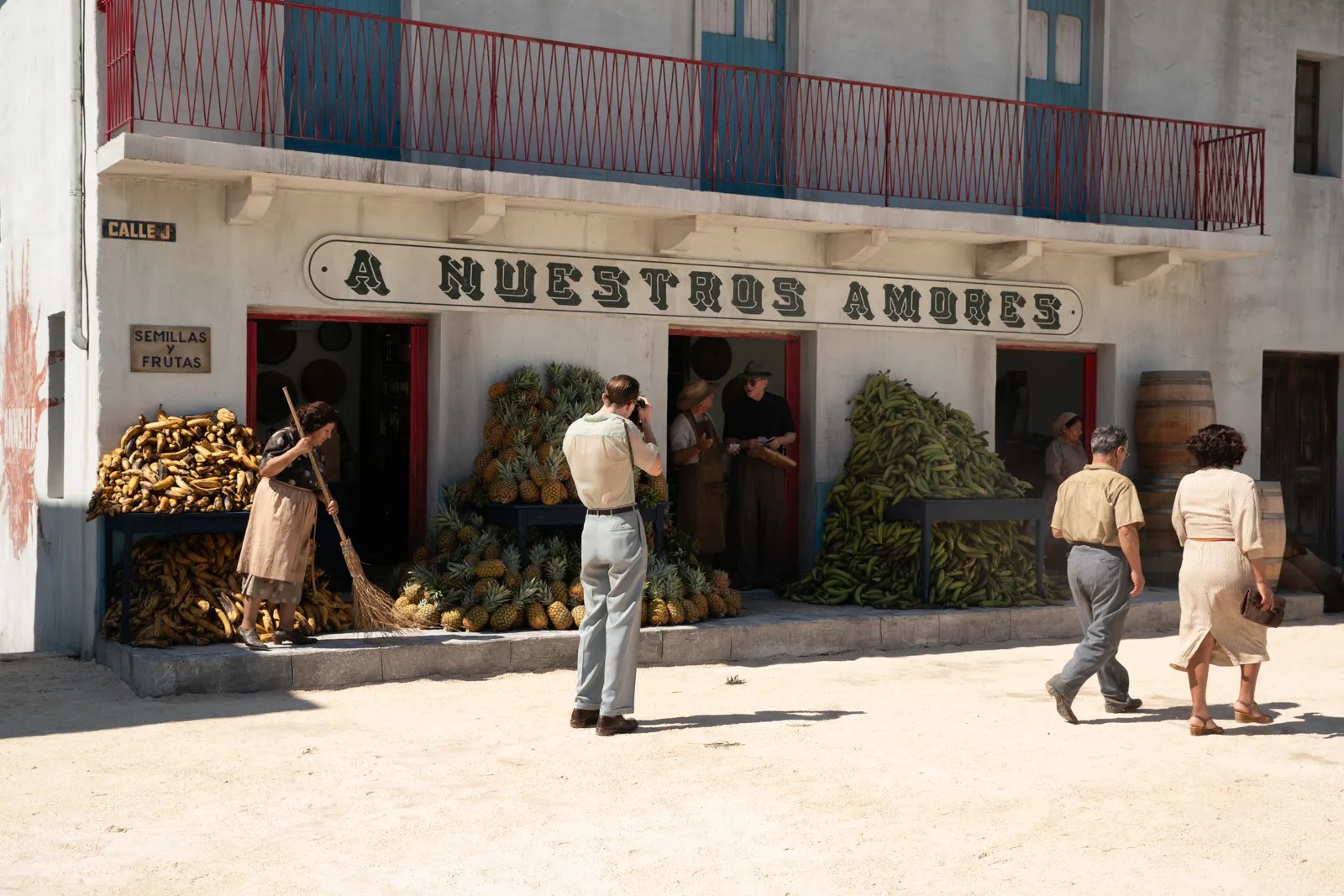
Additionally, the third act, with the two characters making a trek to South America in an attempt to find a psychedelic drug allowing people to see into each other’s mind, isn’t as strong as the first two. It feels a bit meandering.
Yes, the drug they’re searching for may open their minds a bit, but it doesn’t feel as though the film is building to anything beyond that. We get an interesting section when they actually use the drug, and it provides some insight, but as a big part of the film’s conclusion, it’s unsatisfying.
Still, all together, it remains an engaging watch, partly thanks to the cast. Despite having an issue with how the character is written, there’s no doubt Starkey gives a good performance, as does Jason Schwartzman as the side character Joe, William’s friend.
The one playing the lead character definitely gives the strongest performance, though. Craig gives arguably the best performance of his career. The range of emotions he portrays is incredible and makes for an immensely endearing picture. From great line delivery to simply expressions through mannerisms, Craig nails the role
The film is good to look at, too. As previously mentioned, there are quite a few lingering shots that really help elevate the character drama. There was also some nice creativity in a few moments where William is considering reaching out to Eugene, and it’s shown through ghostlike, ethereal movements.
When all is said and done, despite the third act being somewhat rough and the development of one of the main characters not really clicking, “Queer” is still very much a good film. The cast is great, with a top tier performance from Daniel Craig, and it’s very finely put together by Guadagnino. 4.35 out of 5.

 Matthew Liedke on Film
2 thoughts on “REVIEW: While not Guadagnino’s best, ‘Queer’ is a quality drama”